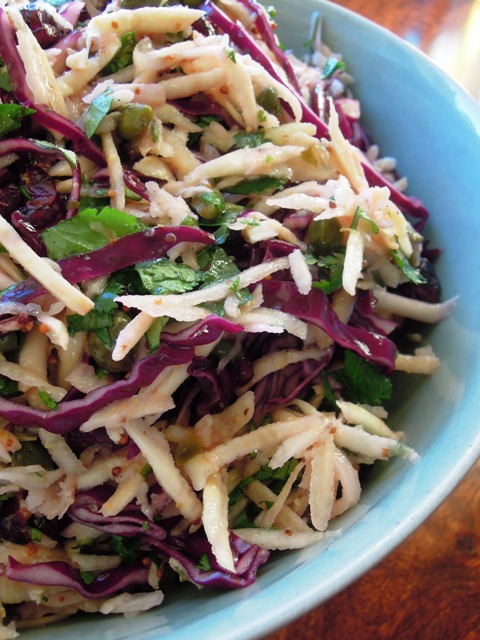
Sweet and sour winter salad

sweet and sour winter salad

This article first appeared in the Wells Journal on 9 January 2014.

In the deepest, darkest days of winter, it is not uncommon to crave large helpings of a warming slow-cooked casserole, a rich, meaty pie or a satisfying steamed pudding smothered in hot custard.

There are times though when it’s not heavy, stodgy comfort food my body yearns for. Instead I need something light, crunchy and zingy; a fresh and healthy dish to transport my head to more sunshiny climes.

While this salad is comprised for the main part of seasonal winter produce, it successfully delivers a taste of summer, as well as providing a much-needed alternative use for those seemingly uninspiring ingredients filling our veggie boxes week after week at this time of year.

Based on a Yotam Ottolenghi recipe, this salad is extremely versatile and can be used with just about any root vegetable or cabbage. All the vegetables are served raw, either grated or finely shredded, so it is very much like a winter coleslaw or remoulade. But it is the dressing that really elevates this salad, featuring generous handfuls of fresh herbs, lemon juice, salty capers, mustard, sour cherries, sultanas and a little sugar, for a superbly vibrant sweet and sour kick.

I served it alongside a baked ham for our Boxing Day gathering and it went down a storm with family and friends. It’s also a very good accompaniment to simple grilled fish or chicken, or include it as part of a mezze.

So next time you pull up yet another swede or parsnip from you veg box or allotment, don’t automatically boil it up or roast it. Instead, give this sweet and sour salad a go and bring your taste buds out of hibernation.

sweet and sour winter salad

Sweet and sour winter salad

Serves 4-6

500g winter vegetables, shredded or grated
(I used red cabbage, celeriac, parsnip and swede)
handful fresh coriander, roughly chopped
handful fresh mint, roughly chopped
50g capers
juice of 1 large lemon
1 tsp cider vinegar
4 tbsp olive oil
4 tbsp vegetable oil
3 tsp wholegrain mustard
3 garlic cloves, crushed
2 tsp caster sugar
50g dried sour cherries
50g raisins
salt and pepper

Place all the shredded or grated vegetables in a large mixing bowl and simply add the rest of the ingredients. Use your hands to thoroughly combine everything to make sure the vegetables absorb all those flavours.

Add salt and pepper to taste, and possibly a little more vinegar or sugar depending on how sweet or sour you like it.

Leave the salad for an hour or so before serving to allow the flavours to develop. I always intentionally make too much, as I think it tastes even better the next day.

Cooking-with-Herbs

As this salad features both fresh herbs and zingy lemon, I’m entering it into this month’s Cooking with Herbs hosted by Karen at Lavender & Lovage where the theme for January is Herbs & Citrus Fruits.

Extra-Veg-Badge-003

It is also my offering for Extra Veg, a new challenge hosted by Fuss Free Flavours and Utterly Scrummy, encouraging us all to eat an extra portion of vegetables each day. With a big bowl of this in your fridge, there’s no excuse to snack on the bad stuff when you get the munchies.

fsf-winter

Since it’s such an unbelievably healthy bowful of goodness, I’ve got to share it with Four Seasons Food (hosted by Eat Your Veg and Delicieux), where the theme this month is Virtuous Food.

FFF

And finally I’m also entering this salad into the Fabulous Fusion Food challenge, hosted by by the very talented Deena Kakaya.

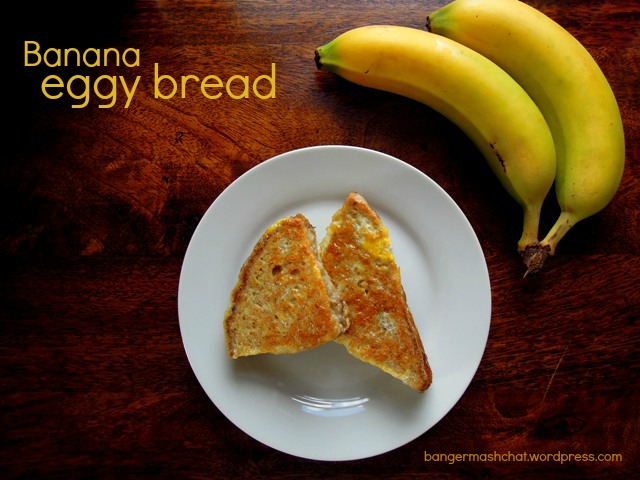
Banana eggy bread

banana eggy bread

Eggy bread (otherwise known as French toast) is a popular lazy day breakfast in the Bangers & Mash house. Actually, pretty much anything to do with eggs is popular here. But eggy bread in particular takes me back to my own childhood, as I have very fond memories of my Mum making this for me, which I’d sprinkle with salt and lots of pepper and eagerly wolf down while it was still piping hot, serving after serving. And so I rather like making it now for my own daughters.

Making eggy bread with mashed banana sandwiches is perfect for anyone with a bit of a sweet tooth, and yes I’m thinking primarily of little ones here. It’s an easy way to get some extra fruit into them too.

banana eggy bread

Banana eggy bread

Serves 4

2 ripe bananas
4 slices of fresh, white bread
4 eggs
2 tablespoons milk
1 tbsp sunflower oil

Peel the bananas and mash roughly with the back of a fork. Spread the mashed banana onto two of the slices of bread, cover with the remaining slices to make sandwiches, and cut each one in half.

Crack the eggs into a shallow dish, add the milk and gently whisk together with a fork. Place the banana sandwiches into the eggy mixture, and turn a few times to allow the bread to soak up egg like a sponge.

Heat the oil in a large frying pan. Carefully lift the eggy sandwiches from the dish, allowing the excess egg to run off, and pop them into the frying pan.

Fry for a couple of minutes on each side, until golden and crispy. Allow the banana to cool a little before eating. For a treat, you might like to serve with a drizzle of honey or maple syrup.

banana eggy bread

As this banana eggy bread is a delicious way to encourage your children to eat more fruit, I am entering it into this month’s Family Foodies. This is a challenge run by Eat Your Veg and Bangers & Mash, and it is my turn to host. January’s theme is Hidden Goodies.

family-foodies

I think it would be also rather nice to serve up this banana eggy bread at tea time, so I am also entering it into January’s Tea Time Treats, hosted by The Hedge Combers and Lavender & Lovage. The theme this months is Eggs.

teatimetreats

Dried fruit and nut balls

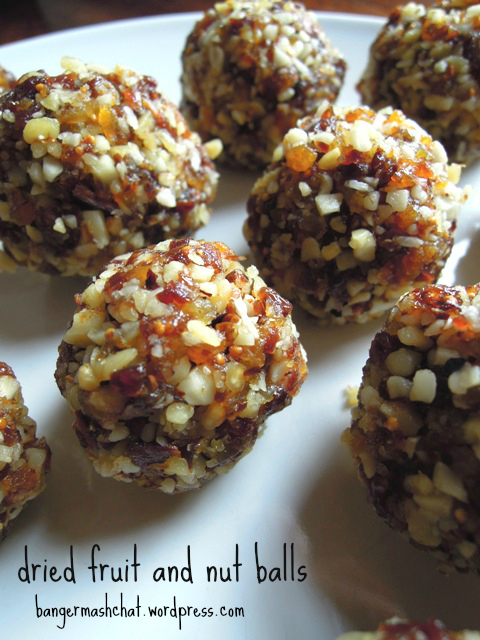
dried fruit and nut balls

Admittedly, these might look like something you’d hang out for the birds in winter but trust me, these dried fruit and nut balls are delicious. Ask my children – they love them in their packed lunches or after school as a quick and healthy snack.

They’re very easy to make and the recipe is extremely versatile – play around with the recipe and add your own favourite nuts and dried fruits. I’ve used dried apple in this version as I’d dried some of our own apples as one way of storing them. If you’ve never tried drying your own apples, you really should. The apples develop such a gorgeously intense flavour and they have a wonderfully satisfying texture, rather like chewing on a soft toffee but with none of the sugar-guilt. My girls can’t get enough of them.

Dried Apple Collage

If you fancy having a go, here’s what you do.

Peel and core your apples and cut into rings. Sprinkle with cinnamon or leave plain if you prefer. Spread out on a baking tray and put in a very, very low oven for a few hours. If you have an Aga you could put them in the bottom oven or do what we did and tie with string and hang in bundles over the top. They’re ready when they’ve gone all wrinkly and have gained that lovely chewy consistency.

We eat them as they are, chop them up and mix into plain yoghurt, or add them to homemade granola.

granola

But back to those dried fruit and nut balls. It’s simply a case of whizzing up all the ingredient in a food processor and then using your hands to shape the resulting mixture into balls or, if you prefer, bars. It’s a fairly messy business, which is probably why children quite like getting involved.

Dried fruit and nut balls

100g blanched almonds
100g walnuts
100g dried apple
100g dried fig
100g dried apricot
100g sultanas
20g dessicated coconut
1 tbsp vegetable oil
1 tbsp apple juice

Put the nuts and dried fruit into a food processor and process until it you end up with a mushy, sticky mixture.

Add the oil and apple juice and whiz again briefly to combine.

Mould the mixture in your hands into small balls and store in an airtight container in the fridge (for a couple of weeks) or the freezer (for a couple of months).

I wrap individual balls in foil, like sweetie wrappers, when I put them in the girls’ lunchboxes.

dried fruit and nut balls


Since my children enjoy them in their lunchboxes, I’m including both these fruit and nut balls and the dried apple in November’s Family Foodies challenge, which as you probably know has lunchbox ideas as its theme.

family-foodies

A taste of Somerset in a scone

cheese and apple scones

This post originally featured in the Wells Journal on Thursday 28 November 2013.

I used to be something of a purist when it came to scones. The whole scone experience was more about the indulgence of the clotted cream and jam, rather than the scone itself. If I was being slightly adventurous, I might throw a few sultanas into the scone mixture.
But since a) having children and b) becoming a food blogger, a new scone-shaped world has opened up to me, particularly the seemingly endless possibilities of the savoury scone.

Savoury scones are a perfect standby snack for little ones (and adults) and I often make them for the children’s lunchboxes too. Courgette and cheese scones are favourites, as are butternut squash and red onion.

Think of Somerset foods and Cheddar cheese and apples will no doubt come to mind. I know, I know – the produce of Somerset is so much more varied than this ubiquitous pairing, but you have to admit our apples and cheese are world-class. If you were at the Wells Food Festival back in September, you’ll have seen the crowds around the cheese stall; all due to the fine reputation of our local cheeses.

And what better to enjoy alongside your cheese than a crisp, flavourful apple. We are so lucky to have such a wonderful variety available to us here, although we should remember that more than 50 per cent of Somerset’s orchards have disappeared over the last 50 years. This is something a number of local growers and projects are working hard to turn around.

apple

So, for a taste of Somerset in a scone, how about a tasty cheese and apple scone, using a mature local Cheddar and a generous sprinkling of fresh sage? They’re perfect cold in your packed lunch but even better served warm from the oven, with a little salted butter and some extra slices of cheese or maybe some cold meats.

cheese and apple scones

Cheddar cheese, apple and sage scones

Makes around 12

300g self-raising Flour
½ tsp baking powder
75g butter
125g mature Cheddar, grated
handful of fresh sage leaves, finely chopped
1 large eating apple, cored and grated
1 medium free range egg, lightly beaten
150ml milk

Preheat the oven to 200ºC / gas mark 6.

Grease a large baking sheet and cover with baking parchment.

Pour the flour and baking powder into a large bowl and mix together. Chop the butter into cubes and rub it into the flour using your finger tips until it resembles breadcrumbs.

Stir two-thirds of the cheese into the mixture, along with the sage and apple.

Make a well in the middle of the mixture and pour in the beaten egg and milk. Use a knife to bring together into a soft dough. If it is too wet, add a little more flour.

Lightly flour the work top. Roll out the dough to a 2cm thickness and use a pastry cutter to cut out your scones. Keep re-rolling the dough until it is all used up.

Place the scones on the baking sheet spaced well apart. Sprinkle the scones with the remaining grated cheese and bake for around 15 minutes until golden.

Transfer to a wire rack to cool a little before eating.

cheese and apple scones

These scones are an ideal lunchbox filler and so I am entering them into this month’s Family Foodies challenge, which I just happen to be co-hosting with Lou over at Eat Your Veg. The theme this month is Lunchbox Ideas.

family-foodies

As the scones also feature fresh sage, I’m entering them into November’s Cooking with Herbs challenge, hosted of course by Karen at Lavender & Lovage.

Cooking-with-Herbs

And finally, as these scones feature local West Country Cheddar cheese and apples, I’m entering them into the Shop Local blogging challenge at Elizabeth’s Kitchen Diary.

ShopLocal

Wells Food Festival and a Greek pumpkin and feta pie – Zimaropitta

As you may have gathered from recent posts, I’m ever so slightly excited about the very first Wells Food Festival, which takes place this coming Sunday.

One of the many reasons I’m looking forward to this culinary extravaganza is the festival also marks the opening of a brand new foodie establishment in  Wells.

Locals might have been wondering what’s been happening to the Sun Inn over the last few weeks. The pub on Union Street has been closed a little while and is currently being refurbished and transformed into a Greek idyll. Just in time for the festival, the pub will reopen as The Greek Taverna at the Sun, and as a big fan of Greek food I for one cannot wait.

I lost no time in catching up with the Sun’s new owner, Olga, who will be running the pub with her brother Yianni, to find out more about their plans.

“It is very much a family business,” Olga explains. “We want our customers to feel like they have just been invited to our house for a meal. Our mother will be the main cook because of course no-one cooks like a Greek mum! We believe that food is not just about what you cook, but that it always tastes better when you can enjoy it in a friendly, relaxed environment.

“We will be serving authentic Greek home-cooked food, good wine, cakes, ‘real coffee’, cocktails, and all the drinks you’d expect to find in a pub,” Olga tells me. “The Sun Inn will still be a pub but it will also serve quality home-cooked food. Outside lunch and dinner times, we’ll also offer meze (a selection of small dishes) that people can have with their drink if they don’t wish to have a full meal.”

Olga’s mother had her own restaurant back in Greece for over seven years, while Olga and her brother Yianni have run a small boutique hotel together. They clearly have heaps of experience, but what brings them to Somerset?

“My brother and I have both lived on and off in Wells for some time,” says Olga. “My sister-in-law lives here with her family and this is how we first discovered Wells. We fell in love with the place. It is a very interesting, small city surrounded by amazing nature. What we like most about it is that people are so friendly and make you feel like part of the family. We have been refurbishing the pub for the last three weeks and during this time it is has been amazing how many people have offered to help us.”

How does Olga think Wells will respond to their Greek food? Why is she so keen to share Greek cuisine?

“We love Greek food, not just because we are Greek, but also because we believe it is simple, healthy and delicious,” replies Olga passionately. “We know that British people love Greek food but what they get most of the time in the UK is Greek food cooked in a British way. We will be cooking authentic Greek food using local ingredients; we believe food tastes better if ingredients are sourced locally. Somerset has many farms producing excellent fruit, vegetables, meat and dairy. To give you an example instead of buying sausages imported from Greece, we decided to give our traditional family recipe to one of the local sausage producers who will be making them just for us.

“Also the financial situation in Greece in the last few years has taught us a big lesson: supporting local businesses is the only way to keep the community ‘alive’.”

I asked Olga if she could give us a taste of the kind of food we can expect to find at the new Sun Inn, and she has very kindly provided her recipe for Zimaropitta.

“Because your blog is about lovely, tasty food that doesn’t take long to prepare, I thought we can make an easy pumpkin pie with feta cheese,” says Olga. “Simple, inexpensive ingredients you can mix together in one bowl and cook in the oven is my idea of healthy fast food. This is what this recipe’s all about. We used a marrow bought straight from the producer in Wells Market and local Somerset feta cheese from Queen Street Deli.

“I would serve it with some tzatziki (yoghurt garlic dip) and a green salad. You can replace the flour with any wheat-free variety for a gluten-free version.”

Zimaropitta Collage

Zimaropitta – feta and pumpkin pie

1kg grated pumpkin (not any of the sweet varieties), marrow or courgette
3 eggs beaten
300g feta cheese, crumbled
250g milk
250g semolina
250g self-raising flour
150g cornmeal (optional)
salt to taste (if your feta is not salty)
a little water might be needed to bring the dough to a porridge like consistency

Preheat the oven to 180°C/gas mark 4.

The traditional Greek way of grating a pumpkin or a marrow is to cut it in half lengthways and use a spoon to scrape off the soft part  little by little. Of course, it might be easier just to cut it to pieces, peel and use a box grater.

Then mix all the ingredients in a bowl and add some water if you think it is needed. It should have a thick, porridge-like consistency before you pour it into a buttered ovenproof dish. Bake in a preheated oven for about 45 minutes to 1 hour.

“There you go,” says Olga. “A piece of… pie! And a great way to persuade children to eat pumpkin too.”

Thanks so much to Olga for her delicious recipe. I can’t wait to give it a go myself, as I know this is just the kind of thing my family will adore. I wish Olga, Yianni and their mum every success with their new venture and look forward to seeing the newly refurbished pub when I come over for the festival at the weekend. If you’d like to keep up-to-date with what’s happening at the Sun Inn, do visit their Facebook page.

And if you’d like to find out what else is happening this Sunday at the Wells Food Festival, take a look at the website at www.wellsfoodfestival.co.uk.

wells-food-festival-logo

Wells Food Festival and double baked Cheddar cheese soufflés

Double baked Cheddar cheese souffles

Soufflés have something of a reputation for being a little on the tricky side. If any of the Master Chef contestants ever say they’re going to bake a souffle, there’s always a sharp intake of breath and concerned expressions. But really, they’re not all that hard to do. Admittedly this was only the second time I’ve ever attempted them but both times they’ve been a great success. So you see, if I can make them, anyone can.

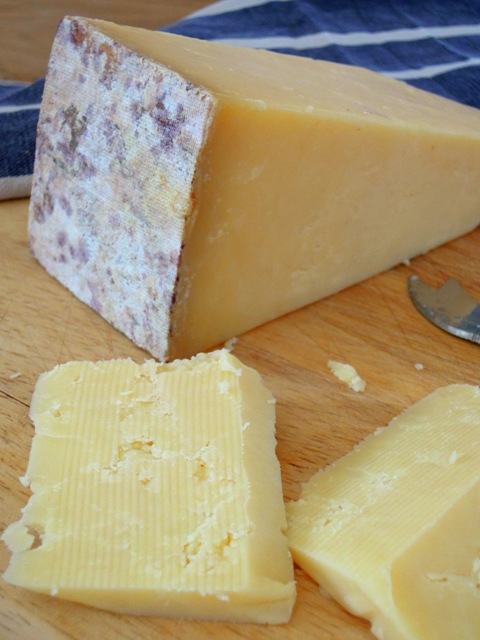
I used a lovely local Cheddar cheese in these soufflés. Dan Holland who owns the Queen Street Deli in Wells recommended Montgomery Cheddar, which is handmade on Manor Farm in North Cadbury. It’s a traditional, unpasteurised Somerset Cheddar, matured for 12 months to give it a gorgeously deep, nutty flavour.

Montgomery Cheddar

The Queen Street Deli is another local business taking part in the Wells Food Festival on Sunday 20 October. Dan is organising the cheese stand at the festival, which will highlight the fantastic wealth of Somerset cheeses we are lucky enough to have on our doorstep.  During the day, local cheese makers will take turns on the stall to share their knowledge and passion with visitors.  Dan is also selecting and sourcing the cheese for the Somerset Sunday Lunch in the town hall, which he describes as a great honour and a chance to showcase a few of his favourite and most popular cheeses.

Queen Street Deli

The Queen Street Deli is a small friendly shop, offering the best of local and continental food.  Dan opened it in 2008 when he decide to leave teaching maths at the local school and went for a complete career change, working with food – something that had been a bit of a dream for a while.

Despite the recession, he has managed to grow the business over the last five years, thanks to the support of his very loyal customers. “The greater percentage of our customer base is people who live in and around Wells, rather than tourists, which is great and hopefully means we are getting it mostly right!” Dan tells me. “Recently the opening of new supermarkets in Wells has created more challenging times but we are looking forward to a busy Christmas period and will be taking the usual orders for cheese, ham and hampers.”

I asked Dan what he thought this first Wells Food Festival means for the food and drink of Somerset.

“Hopefully it will reinforce and build on the reputation that Wells and Somerset already have as an area that produces and creates excellent artisan food and drink,” says Dan. ” It will certainly emphasise the diversity and range of quality products that we have all around us and be a real opportunity for the local businesses to promote themselves to a wide audience.”

So what are Dan’s personal favourites when it comes to Somerset’s food and drink?

“Obviously I have a slight bias towards cheese,” Dan replies. “We have some great Cheddars such from the likes of Barbers, Keens and Montgomery but I still think Westcombe is my fave.  I also really love the range of cheese produced by the Somerset Cheese Company in Ditcheat. Their Rainbows Gold is very popular in the deli at the moment; rich curd made with Channel Island cows milk then washed in Golden Chalice ale from Glastonbury.

“Beyond cheese I really like Mendip Moments Ice Cream and James Chocolates, two very local companies that produce interesting and tasty products that everyone loves. My latest top recommendation for eating out is Matt’s Kitchen in Bruton. There’s no menu as such – everyone eats what Matt is cooking that night, there’s a friendly, relaxed atmosphere and lovely food.”

Armed with a decent chunk of Montgomery Cheddar, I returned home all inspired to bake my soufflés to hopefully celebrate a true taste of Somerset. The recipe is based on one I found in Mary Berry’s New Aga Cookbook for Swiss Double Soufflés, substituting her Gruyère for the Cheddar. It’s a perfect dish to cook in the Aga, but don’t worry – instructions for conventional ovens are also included below.

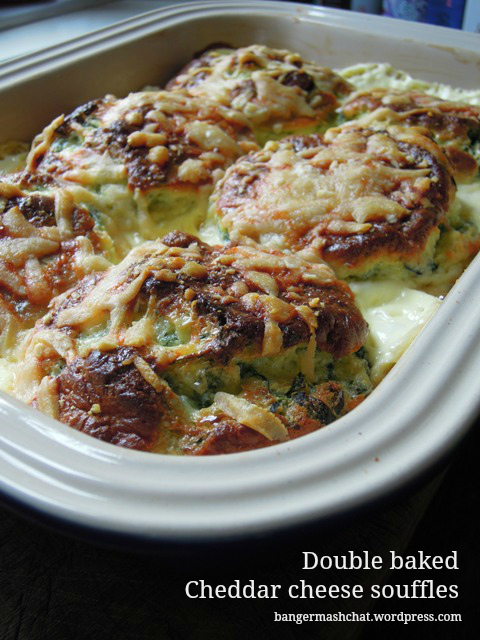
As the name says, these soufflés are double baked: first in ramekins in a bain-marie, and then again in a the cream sauce. So it’s no great disaster if your soufflés flop a little, as the double baking means they won’t end up all puffed up anyway. But they still taste beautifully light and airy, albeit rather rich and luxurious at the same time. They made for the perfect Saturday lunch, served with crusty bread and a simple salad, and they went down well with the children too – despite them containing spinach, which is not Mia’s favourite vegetable.
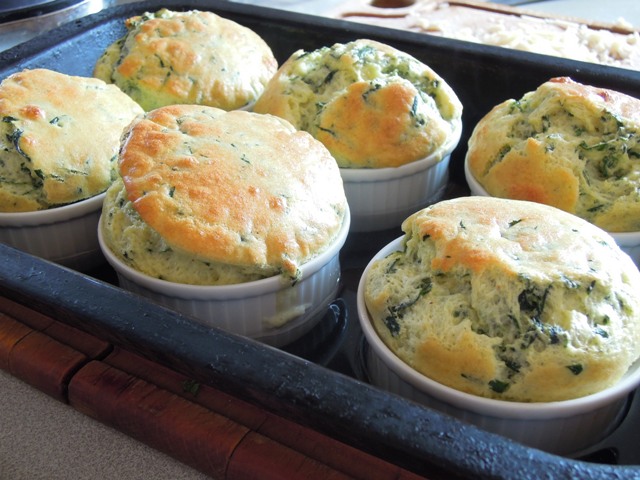
cheese souffles

Double baked Cheddar cheese soufflés

100g spinach, washed and finely shredded
300ml milk
40g butter
40g plain flour
salt and pepper
freshly grated nutmeg
50g mature Cheddar cheese
3 eggs, separated
butter for greasing

Topping
50g mature Cheddar cheese, grated
300ml double cream

If you’re using a conventional oven, preheat to 220°C/gas mark 7.

Place the spinach and milk in a pan and bring to the boil. Stir well, remove from the heat and leave to one side.

Melt the butter in a large pan. Remove from the heat and stir in the flour. Return to the heat and cook for a minute, stirring constantly. Add the spinach and milk, a bit at a time, and bring to a gentle boil, stirring all the time. Simmer to thicken the sauce. Remove from the heat and mix in the salt, pepper, a good grating of nutmeg, and Cheddar cheese. Once these are well mixed in, stir in the egg yolks.

In a large clean bowl, whisk the egg whites until stiff and then carefully fold into the sauce.

Generously butter six small ramekins and spoon in the souffle mixture. Place them in a small roasting tin and pour boiling water into the tin until it is halfway up the sides of the ramekins.

If you’re cooking in an Aga, place the bain-marie in the roasting oven on the grid shelf on the oven floor for 15-20 minutes. After 10 minutes of the cooking time, when the soufflés are a good golden brown colour, turn the tin around and slide in the cold plain shelf on the second set of runners. Cook until they are springy to the touch.

If you’re cooking in a conventional oven, simply place the bain-marie in the oven for 15-20 minutes and cook the soufflés until golden and are springy to the touch.

Remove from the oven and leave for 5-10 minutes in the ramekins to allow the soufflés to shrink back a little.

Butter a shallow ovenproof dish which is just big enough to take the soufflés without them touching. Sprinkle half the grated Cheddar onto the bottom of the dish.

Carefully remove the soufflés from the ramekins using a small palette knife and place in the ovenproof dish. Season the cream and pour over the soufflés. Sprinkle the remaining Cheddar on top and bake in the roasting oven if you’re using an Aga, this time without the cold plain shelf, or in your regular oven, for 15-20 minutes until the soufflés are golden brown.

Serve with bread and salad.

Double baked Cheddar cheese souffles

wells-food-festival-logo

As these double baked soufflés are not to be rushed and are best made when you have some time on your hands, they definitely fit the bill as a Weekend Slowie, which is the theme this month for the Family Foodies challenge over at Eat Your Veg. So here you are, Lou – hope you like them!
family-foodies

Fusilli with broad beans, mascarpone and thyme


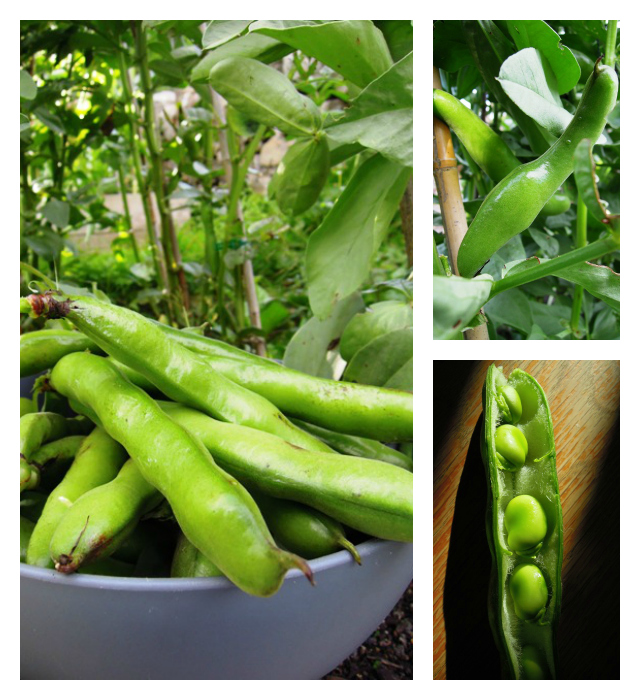
We’re getting a steady crop of broad beans from our veg patch at the moment, along with peas, sugar snaps and courgettes. The cucumbers don’t look far off from picking either; it’s the first year we’ve tried growing them from seed and they’re proving much easier than I thought they would. Those are famous last words of course. They’ll probably develop some nasty disease now I’ve said that and get completely wiped out. Let’s hope not.

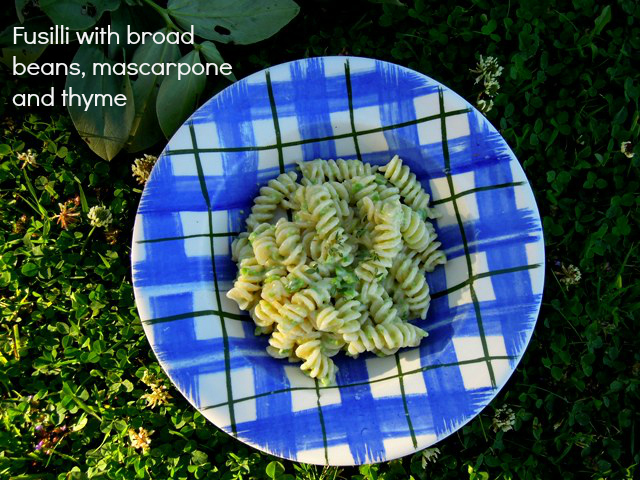
The children are really enjoying all the homegrown vegetables. When they’ve been involved in the sowing and the planting, they seem so much more up for the eating too. They’re loving the broad beans in salads, particularly potato salads with big chunks of sausage, and in soups. As they’re both big pasta fans, it was only a matter of time before I tried broad beans in a pasta sauce. I mashed some up with mascarpone cheese, thyme and lemon juice to coat fusilli and the girls gobbled it up greedily. My husband Jason was rather keen too and even ate the leftover cheesy-beany mash cold from the fridge! Note to self: try it as a sandwich filling next time…

fusilli with broad beans

Fusilli with broad beans, mascarpone and thyme

Serves 4

1kg broad beans, podded
250g mascarpone cheese
juice of half a lemon
handful of fresh thyme, picked
salt and pepper
olive oil
500g dried fusilli

Quickly boil the broad beans in salted water for two to three minutes until just tender. Run under cold water to stop them cooking further and to cool them down a little before double-podding. Yes, it’s a bit of a faff but it’s well worth it. Then mash the beans roughly, using either a fork or a potato masher.

In a bowl, mix the mashed beans with the mascarpone, lemon juice, most of the thyme, a good amount of salt and pepper and a drizzle of olive oil.

Cook the fusilli in a large pan of salted water according to the packet instructions. Drain and mix with the broad bean and mascarpone mixture. Add a little olive oil if it seems a little too dry or thick.

Serve with a little more thyme sprinkled on top. Summer on a plate – delicious.

fusilli with broad beans

And as this dish features lovely fresh thyme, I’m entering it into this month’s Cooking with Herbs event hosted by Karen over at Lavender & Lovage.

Cooking-with-Herbs

Strawberry and honey super smoothies

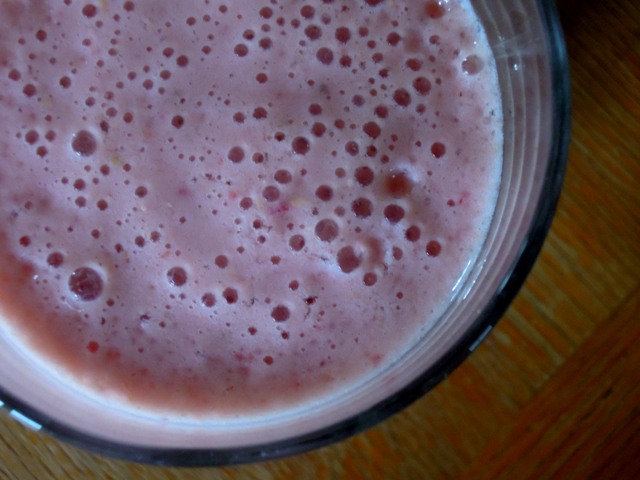
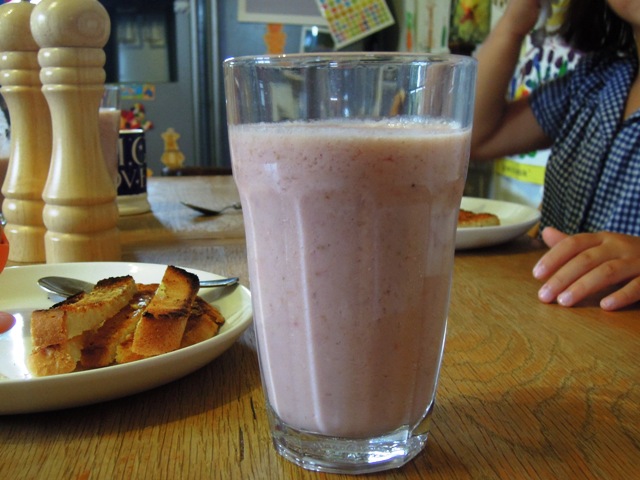
Strawberry super smoothie

We slurp our way through a fair few smoothies in our house. They’re the perfect way to use up ripe bananas, especially when it’s way too hot to consider baking banana bread, and they are a brilliantly healthy start to the day. Although saying that, quite often our smoothies are rather indulgent, especially when my husband makes them with lots of vanilla ice cream.

This strawberry and honey super smoothie is of the healthy variety. It features a couple of spoonfuls of rolled oats, making it extra thick and creamy and perfect for a fuel-filled breakfast.

And of course they’re ridiculously easy to make, which is essential first thing in the morning.

strawberry super smoothie

Strawberry and honey super smoothies

2 ripe bananas, peeled and sliced
400g strawberries, hulled and chopped
4 tbsp runny honey
2 tbsp rolled oats
1 pint ice cold milk

Simply pop all the ingredients into your food blender and whizz until smooth and frothy. That’s it.

Serve alongside your bowl of cereal or dippy eggs and soldiers for a top brekkie.

strawberry super smoothie

Because these super smoothies are so easy to rustle up and contain this month’s trio of ingredients (honey, oats and berries), I’m entering them into the Recipes for Life challenge, which I also happen to be hosting.

wpid-swallow-recipes-for-life.jpeg

July is the penultimate month for Recipes for Life. Each month we challenge food bloggers to create tasty, healthy and easy-to-make dishes using three key ingredients.

I’m running the challenge on behalf of a brilliant charity called SWALLOW, which supports adults with learning difficulties. Their cookery club will have a go at making the recipes themselves and the best ones will be included in a new cookbook later in the year.

Perhaps you’d like to get involved in the challenge? Find out more here.


Easy banana yoghurt puds

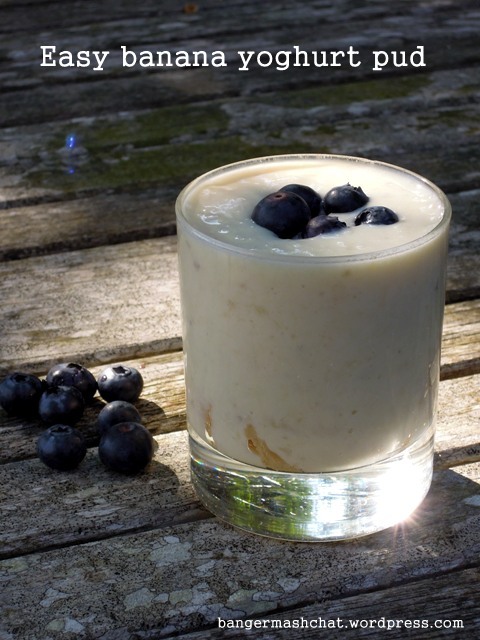
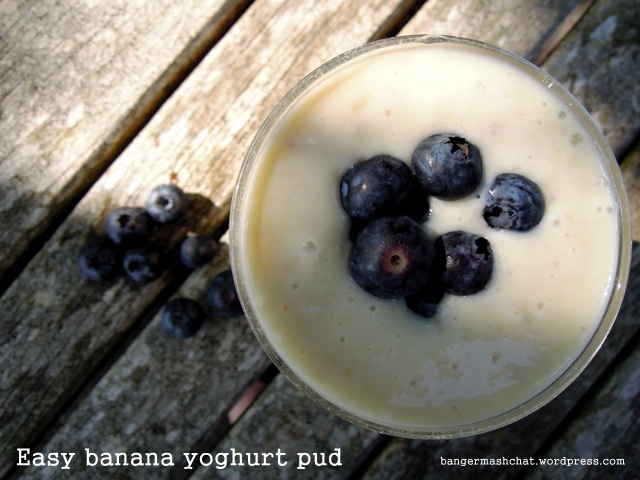
easy banana yoghurt pud

I found myself with a bunch of over-ripe bananas the other day. Normally the first thing I’d think to make would be banana bread but on a warm June afternoon, following a day spent in a stuffy office, the last thing I wanted to do was bake.

So I came up with this very quick and simple banana yoghurt dessert, with a base of trifle sponge – something else I needed to use up.

trifle sponge

I felt very virtuous knowing I’d avoided filling the food waste bin and we had a scrummy pudding in less than ten minutes. Result.

easy banana yoghurt pud

Easy banana yoghurt puds

Serves 4

6 trifle sponges
apple juice
4 or 5 ripe bananas
500g natural yoghurt
1 tsp vanilla extract
2 tbsp runny honey
blueberries (or any other fresh berries) to garnish

Break up the trifle sponges and divide between four glasses or small bowls. Drizzle over a little apple juice – just enough to soak into the sponges and make them soft.

In a blender, simply whizz up the bananas with the yoghurt, vanilla extract and honey. Pour the banana mixture over the trifle sponges in each glass and garnish with blueberries or whatever berries you might happen to have in the fridge.

It’s so easy it hardly warrants a recipe but you’ve got one anyway!

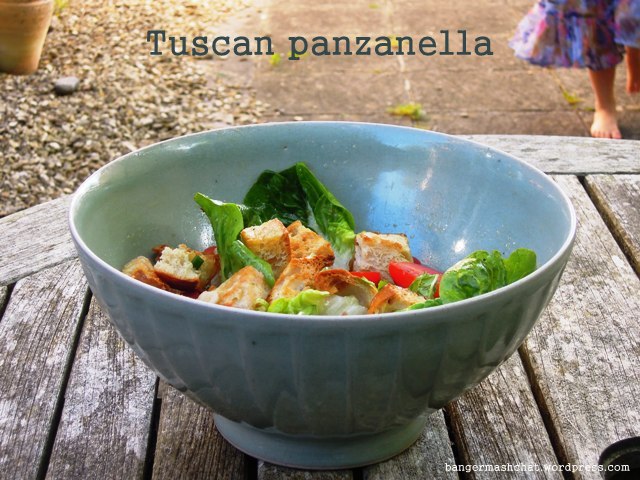
Tuscan panzanella

panzanella

Panzanella is a tasty and satisfying Italian summer salad, perfect for picnics and eating al fresco. We enjoyed it last weekend when the sun was shining and it felt like we were on holiday in our own garden. The weather has sadly turned greyer and damper, but I am hopeful the blue skies will return. Hope, hope!

I took this recipe from a cookery book called Yolanda’s Kitchen, written by Yolanda Pearson who was born in Normandy to a French mother and an Italian father. With that kind of a background, it’s not surprising Yolanda can cook. Yolanda is a good friend of my husband’s family. As a boy, Jason used to play with Yolanda’s son Simon whenever they visited their holiday cottage up in Shropshire and he has very good memories of eating well at their house.

According to Yolanda…

This traditional Tuscan snack gets its name from the ‘Zanella’, the ditches by the side of the fields where the farm labourers used to sit to eat their lunch, and ‘Pane’ (Italian for bread). Thus they mixed leftover and dried-up chunks of bread with whatever salad ingredients their vegetable patch had in season, hastily dressed with wine vinegar and olive oil and enjoyed in the open air as a one-course meal.

I find the salad is enough on its own for a good lunch. I’ve been taking it to work this week in my lunchbox, and it’s surprising how crispy the ciabatta stays even when it has soaked up some of that tasty dressing. I do have to apologise though when I open it up, as it rather reeks of garlic! It’s also good as part of a picnic or served as a side dish with a barbecue.

panzanella

Tuscan Panzanella

Serves 4

1 ciabatta loaf
200 cucumber
3 spring onions
2 celery sticks
1 garlic clove, crushed
250g small plum tomatoes
2 Little Gem lettuces, leaves torn
handful of basil leaves
150ml extra virgin olive oil
50ml red wine vinegar
1 tsp white sugar
salt and pepper

Preheat the oven to 160°C / gas mark 2-3.

Cut the ciabatta into bitesize cubes, place them on a baking tray and bake in the oven for 5 to 10 minutes, until it gains just a little colour. Leave to cool.

Peel, deseed and slice the cucumber. Finely slice the spring onion. Dice the celery. Mix together with the crushed garlic.

Cut the plum tomatoes in half. Yolanda says here to remove the seeds, but I must admit I didn’t bother with this bit.

In a large salad bowl, mix together the bread, tomatoes, lettuce leaves, chopped vegetables and torn leaves of basil.

In a small bowl, mix together the oil, vinegar, sugar and salt and pepper.

Pour the dressing over the salad and toss well before serving.

panzanella

As this is salad is perfect for picnics and outdoor dining, I’m entering into Four Seasons Food, a wonderful new challenge hosted by Chez Foti and Delicieux. The theme for the start of summer is Picnic Food & Outdoor Nibbles.

fsf-summer1

And as it contains lots of fresh basil, I’m also entering it into Lavender & Lovage‘s ever-popular Herbs on Saturday challenge.

cooking-with-herbs