Wells Food Festival and a new food discovery: the gastro steak

griffiths

It’s less than a month until the first ever Wells Food Festival and I’m rather excited at the prospect of a big foodie event practically on my doorstep.

The festival promises to be a marvellous celebration of the finest food and drink Somerset has to offer. Taking place on Sunday 20 October, the same weekend as National Apple Day, the organisers have timed the event for when Somerset’s produce is at its most abundant and glorious.

Centred around Wells’ historic market square, the festival will feature a whole host of fabulous foodie events and activities. There will be an artisan producers’ market, a ‘Question Time’ style Milk Matters debate in the Bishop’s Barn, a cake competition, cookbook talks and signings, a foodie pub quiz; a vintage tea party; cider, beer and wine bar and a tempting choice of great Sunday lunches showcasing local ingredients served up at restaurants and cafes across the city. Take a look at the full line up on the Wells Food Festival website.

Over the next few weeks, I’ll be featuring interviews with some of those involved in the festival here on the blog to find out what makes Somerset food so special and to get their advice on cooking with local ingredients.

To kick things off, I popped into one of my favourite and most regularly frequented shops in Wells, the family butchers F Griffiths & Sons, who have been selling meat and poultry to locals since 1953. It’s a wonderfully welcoming shop where customers can ask questions and learn about food without feeling overwhelmed.

griffiths

Pretty much everyone who knows Wells will know Gerry Morris. He is the ever-friendly, smiley face behind the counter at Griffiths, always able to provide you with knowledgable advice and top tips on what cuts of meat to buy and how to cook them. I asked him how Griffiths will be getting involved in the food festival.

“Wells Food Festival will give us a chance to cook and sell our new range of award-winning pies to a wide range of local people who will be there because they love food,” Gerry tells me. “The pies are made from scratch, including our own secret recipe pastry, in our Street branch. As well as selling the pies through our own shops we are supplying pubs, shops and hotels from Taunton to Bristol.”

I’m a sucker for a good pie and so are the rest of my family, so we had to put The Humble Pie Co. range to the test. Well, it would be rude not to. And I am pleased to report that they are very, very good. They taste just like a proper homemade pie, with a lovely crisp pastry and delicious fillings, using only shredded meat rather than chunks to ensure you get a meaty mouthful every time. If you happen to be in the West Country and come across them, you must give them a try.

humble Collage

But back to Gerry. What does he think this new festival means for Wells and the food and drink of Somerset?

“Food and specifically the provenance of our food has become much more important in recent years,” says Gerry. “The festival will give local producers and suppliers the chance to show people from all over the county the vast range of high quality food that is available on their doorstep. It is also a chance for traders to get together and exchange ideas and have a chat to see how they can improve products and service to their customers.

“Somerset produces a surprisingly varied array of food and drink. Obviously there is the locally produced meat and poultry (most of our meat comes from within a 20 mile radius of Wells), as well as wonderful cheeses, cider, artisan bread but there’s also a huge list of produce you wouldn’t necessarily associate with the West Country but is made right here in Somerset. This is what we’ll be able to collectively showcase at the festival.”

So which are Gerry’s favourite local retailers and restaurants in Wells?

“Shops like Sante Wine and Queen Street Deli are a real asset to the city and bring people from all over to come and shop here. We are spoiled for choice as far as restaurants are concerned and, particularly as we supply many of them, I couldn’t possibly nominate a single favourite!”

Finally I ask Gerry to suggest a cut of meat for me to cook at home; one I probably haven’t tried before. Without hesitation he suggests the ‘gastro steak’.

“The gastro beef steak is carefully cut from a very specific and small part of the calf of the animal,” Gerry explains. “It can be cooked as a traditional braising beef but I think it’s amazing when you cook it very quickly on a high heat and serve it rare. It eats like a very tasty fillet steak, but costs just one-third of the price. It only needs a pepper or hollandaise sauce, some green vegetables and new potatoes to make a stunning meal.”

If you’re interested in seeing how this cut is butchered, Gerry recommends taking a look at this video. “Although we didn’t invent the actual cut, we did come up with the name ‘gastro’ steak. It seemed appropriate as the specific muscle it comes from is the gastrocnemius.”

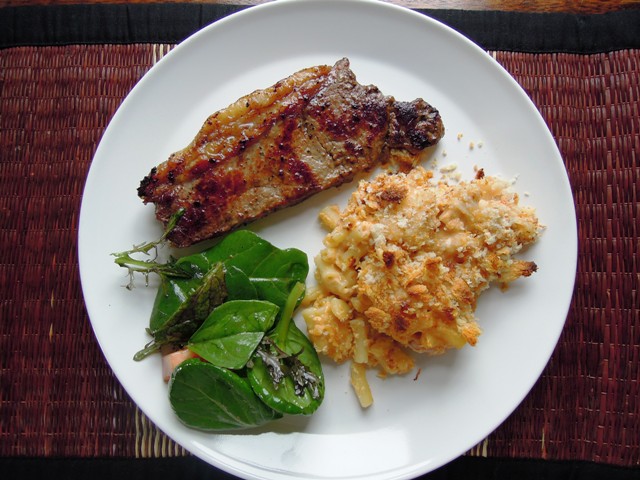
And so I did exactly as Gerry suggested and took home a couple of gastro steaks for my husband and me to put to the test. I seasoned them with ground black pepper and fried them very quickly, just for a few minutes on each side, on a very high heat. As you might have gathered, I’m a bit of a mashed potato fiend, so I served them with mash and steamed green beans and a simple peppercorn sauce.

gastro steak

And the verdict? Simply divine. Believe me, I’m not just saying that because I don’t want to hurt Gerry’s feelings. These gastro steaks really are packed full of flavour, as tasty as a sirloin but with the cuts-like-butter texture of a fillet. And since they’re a fraction of the price of a fillet, I think I’ll be buying a few more of these delicious meaty morsels very soon. I’d recommend you do too, but I’m slightly concerned that if more people start buying them Gerry might be tempted to put the price up. So on second thoughts, steer clear!

Thanks so much to the lovely Gerry for his time and advice last week and I look forward to sampling more of his gorgeous pies at the festival.

Look out for further festival related posts in the coming weeks, including cake baking tips from Royal wedding cake maker Fiona Cairns (who is judging the cake competition), and Somerset cheese recommendations from Dan Holland at the Queen Street Deli.

wells-food-festival-logo

Disclosure: Griffiths provided me with complimentary pies and gastro steaks for review purposes. No money exchanged hands and all opinions are totally my own.

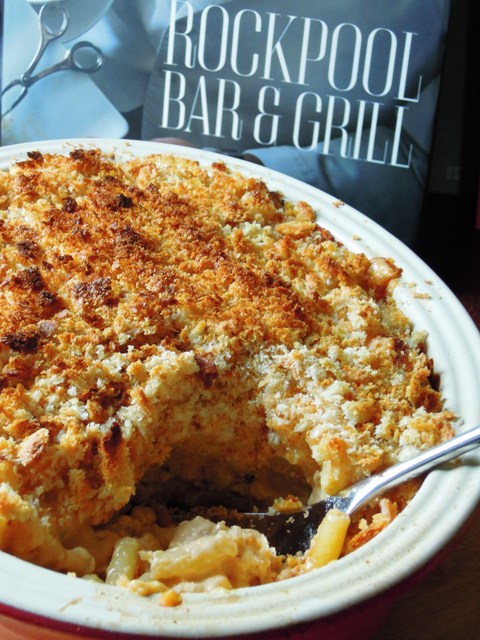
Posh macaroni cheese

posh macaroni cheese

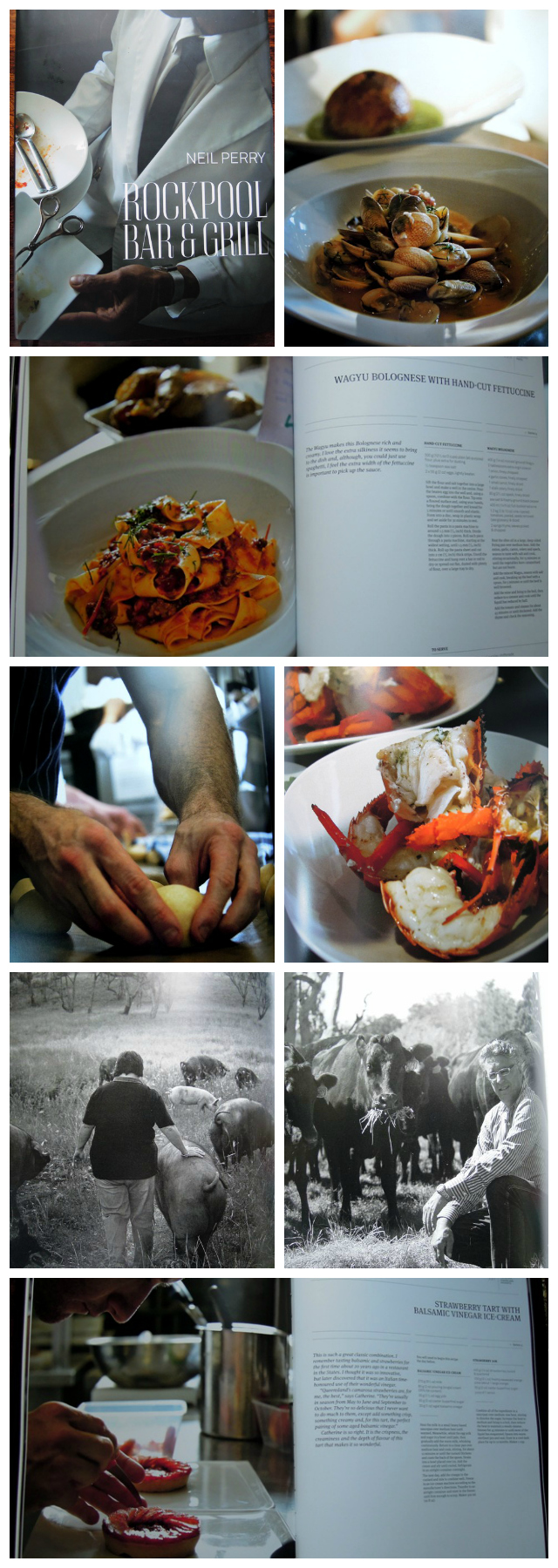
I posted a recipe for my macaroni cheese a little while ago. It’s a firm family favourite in the Bangers & Mash household. But I also had to bring you this version. It’s not my recipe. It’s from the acclaimed Australian chef Neil Perry’s Rockpool Bar & Grill; a beautiful tome of a cookbook, as much a coffee table book as a practical guide for the kitchen. If I actually had a coffee table, this would certainly take pride of place on it.

I received the cookbook courtesy of Qantas, who as well as offering flights to Australia are passionate about spreading the word about Australian food. In addition to running restaurants in Sydney, Melbourne and Perth , Neil Perry is the chief consulting chef for Qantas.

Rockpool Collage

The recipes in Rockpool Bar & Grill are more aspirational than every day; the kind of dishes I’d probably only attempt if I were cooking for a special dinner party. Not surprising though as the aim of the book is to show you how to create restaurant-style dishes at home. It’s impossible to stop your mouth from watering as you turn the pages, which also provide a behind-the-scenes account of life in the Rockpool restaurants, as well as stories about the producers and suppliers who inspire Neil Perry’s menus.

So while I was rather taken with dishes like scampi ceviche, Wagyu beef bolognese, octopus braised in red wine and strawberry tart with balsamic vinegar ice cream, it might be a little while before I work up to trying these at home, particularly as they’d probably blow my weekly food budget in one meal. Instead it was the Rockpool’s take on good old macaroni cheese I felt would go down well with my family. This is what Neil Perry says:

Pasta and cheese is the best combo. My daughter Josephine can polish one of these off for dinner any night of the week. I first started making this years ago. I loved going to America and having mac ‘n’ cheese, more often than not at steakhouses. I began with a recipe from a great friend and truly one of the world’s great chefs, Thomas Keller of The French Laundry and Per Se. If you start with that kind of pedigree, you’re going to end up with a great dish, and a great dish I did end up with. It’s a perfect marriage with a good steak but is equally at home with all of the other meats and poultry we serve at the restaurant. Use good cheese, really good quality hard Italian pasta and a smoky bacon. Your efforts will be well rewarded.

I was curious to see how different restaurant-style macaroni cheese would be from what we usually make. And I have to say it is very good. Very, very good actually. My husband and the girls wolfed it down greedily and it really does work well with a decent steak. We enjoyed ours with griddled sirloin and a simple salad instead of our usual Sunday roast, and it was a rather special meal indeed.

Oh, and there’s are some heavenly-looking lemon meringue cupcakes in there that I’m pretty sure I’ll be having a go at very soon too.

posh macaroni cheese

Neil Perry’s mac ‘n’ cheese

Serves 4 as a light meal or a side

400g dried macaroni
2 tbsp extra virgin olive oil
3 rashers smoked bacon, diced
500ml single cream
125g Cheddar cheese, grated
250g Gruyère cheese, grated
2 garlic cloves, crushed
1 tsp smoked sweet paprika
2 tsp Dijon mustard
sea salt and freshly ground black pepper
100g Parmesan cheese, grated
80g fresh breadcrumbs

Cook the macaroni in a large saucepan of boiling salted water until al dente. Drain and refresh in iced water. Drain again and place in a large bowl.

Heat the olive oil in a saucepan over a medium heat. Add the bacon and cook until golden. Drain on paper towel, then add to the macaroni.

Return the pan to the heat, add the cream, bring to the boil, then reduce the heat and simmer for 5 minutes or until thickened. Remove from the heat and gradually add the Cheddar and Gruyère, stirring until melted.

Combine the garlic, paprika and mustard to form a paste, then stir into the cream mixture. Season to taste with salt and pepper. Add to the macaroni mixture and stir through.

Heat a grill to high. Divide the mixture between individual heatproof bowls or a 1.5 litre capacity baking dish. Sprinkle over the Parmesan, then the breadcrumbs. Grill until the top is golden.

posh macaroni cheese

Disclosure: Qantas provided me with a complimentary copy of Rockpool Bar & Grill for review purposes. No money exchanged hands and all opinions are totally my own.
Recipes for Life: the final round-up

swallow cookery So here we are – the final round-up in the Recipes for Life challenge. It really doesn’t seem like seven months ago since I kicked it off in partnership with SWALLOW, an amazing charity in Somerset supporting adults with learning disabilities to lead more independent lives.

The idea of the challenge was to find easy, wholesome dishes for members of their cookery club to try out and also to appear in their new fundraising cookbook. And each month food bloggers have done us proud, posting the most incredibly diverse and delicious range of recipes, based each time on just three simple, core ingredients.

Tracey O’Leary, SWALLOW’s cookery tutor says: “Thank you to all of the entrants of Recipes for Life. We have been amazed by the variety of recipes that have been submitted.  It has also provided us with a good stock of simple, tasty and nutritious meals for our group to learn to make over the coming weeks and months!”

And Stephanie one of SWALLOW’s members, adds: “I have really enjoyed cooking, and eating, the winning recipes.”

This month, as well as announcing the winner of August’s challenge, we’re also naming one overall winner of the whole Recipes for Life challenge, who will receive a copy of Yeo Valley’s rather splendid Great British Farmhouse Cookbook by Sarah Mayor. I got hold of this book recently and it’s rapidly become one of my favourite cookbooks.

great british farmhouse cookbook Firstly, let’s take a look at the entries to August’s challenge. I must apologise for taking so long to post this round-up – work has been frantic the last couple of weeks, and the blog simply hasn’t had a look in. But better late than never, eh? The trio of ingredients for August were eggs, milk and flour, possibly the most rudimentary of ingredient combinations you can get. As ever, food bloggers came up with a sensational selection of both sweet and savoury dishes, starting with…

…Mabintu of Recipes From a Pantry who gave us not one, not two, but three tempting pancake recipes: fluffy golden pancakes, gingerbread pancakes and banana pancakes. The latter are a personal favourite of mine; they remind me of lazy Sunday mornings and of course that classic Jack Johnson song.

Recipes from a Pantry Collage Sylvia from Happiness is Homemade also brought us pancakes, accompanied by her gorgeous photography. Don’t these pancakes with raspberries and chocolate chip pancakes make you just want to reach into the screen and grab a spoonful?

Happiness is Homemade Collage One of Recipes for Life’s most loyal supporters from the outset has been Helen from The Crazy Kitchen, and in the final month she rustled up a couple of beauties: a deliciously simple ham and tomato pancake pizza and some very tempting white chocolate and cherry muffins.

The Crazy Kitchen Collage I hadn’t heard of Königsberger klopse before but I really like the look of these German meatballs entered by Carolin at Mummy Alarm, and intend to try them out on my lot very soon. They are a traditional German meal, usually made from veal but Carolin created hers with beef mince in her family-friendly, budget version.

recipe-Königsberger-Klopse-German-meat-balls-with-white-caper-sauce Claire from Under the Blue Gum Tree decided not to enter a clafoutis after “one too many claggy-clafoutis attempts” but to be honest I’m rather pleased she entered her Flammkuchen instead, as this is just the kind of food my family adores. It’s a bacon and creme fraiche tart, which originally comes from the Alsace region of France. Tasty and rather good-looking to boot. Ticks all my boxes!

flammkuchenNext up are these gorgeous Pea-nut-ella Rolls from Cutchi Kitchen, which I think would go down well at breakfast time or as an after-school snack. Anyone who likes Reese’s peanut butter cups will know how well peanut butter and chocolate go together and the thought of them together in a warm roll is making my stomach growl…

pea-nut-ella rolls

Sarah at the Garden Deli has been another regular entrant in the Recipes for Life challenge, and I’m really pleased she made it just in time with her summery Pizza Pancakes, filled with the essentials of a good pizza topping – tomatoes, mozzarella and basil. Simply delicious and so quick and easy to rustle up.

pizza-pancake

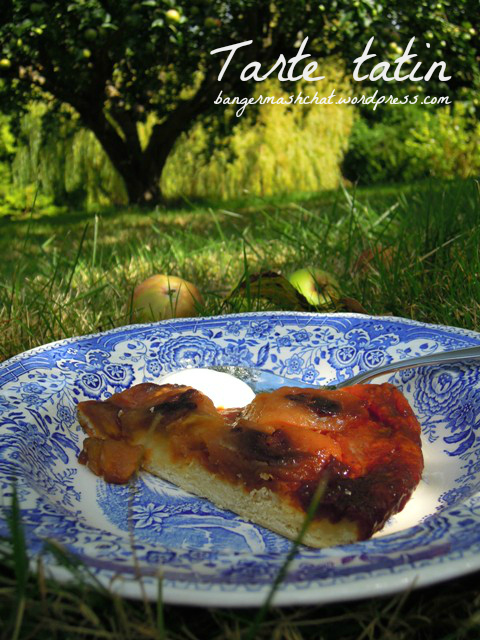
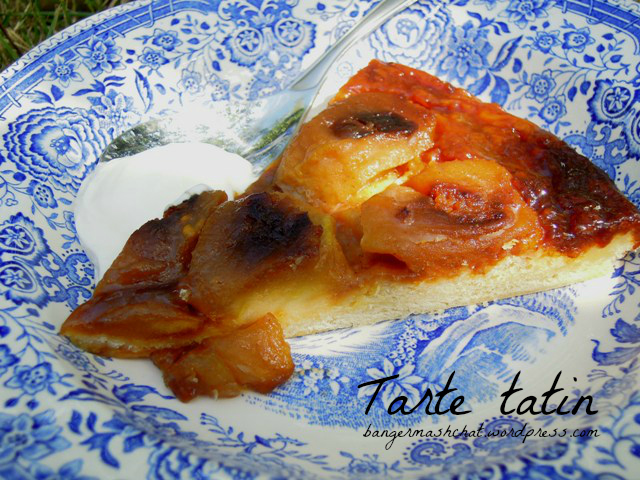
I left it to the very last minute to get my entry in. I made my first Tarte Tatin while we were on holiday in France and was pleasantly surprised at how easy it was to make. I tried a Nigella Lawson recipe using Danish pastry, which works really well and is just as good eaten cold the next day.

tarte tatin

There you go, that’s the final round-up and didn’t we do well? But who, I hear you ask, is August’s winner? Well…

* drum roll *

I’m very pleased to announce that August’s winner is Claire from Under the  Blue Gum Tree for her scrummy Flammkuchen. The team at SWALLOW loved the fact it was a little bit different yet still very easy for their members to make themselves. So huge congratulations to Claire on her very well deserved win! A little gift from SWALLOW will be on its way via airmail to you very soon.

But of course, there’s still one more announcement to go. Who will take the prestigious title of overall winner of the Recipes for Life challenge? To be honest, it was an obvious choice. It just had to be Helen from The Crazy Kitchen for her sheer dedication to the cause. She has won the monthly challenges no less than three times – and in a row too – and has entered a CRAZY number of recipes, each and every one of them fulfilling our brief for tasty, wholesome and easy-to-make dishes.

Helen will receive a copy of the Great British Farmhouse Cookbook from Yeo Valley, who incidentally are also based right here in Somerset. We hope you like it!

So that’s it. The Recipes for Life bloggers challenge is over. But watch this space for news of SWALLOW’s new cookbook, featuring many of the recipes entered over the last seven months. And also watch this space for news of a another cookery challenge I will be launching very, very soon.

Thanks again to everyone that has taken part – both the team at SWALLOW and I are very grateful for all your support!

wpid-swallow-recipes-for-life.jpeg

Tarte tatin


Apple Collage

We’ve been back from France for a week now but to be honest, although my body may be home I think I might have left my brain back in the Dordogne somewhere. It’s taking me a little while to get back into the swing and routine of normal life. Which I guess is the sign of a good holiday.

We ate well in France and so I have returned home both round and brown. You can’t really spend time in France and not take advantage of the good food now, can you? We ate out quite a lot and when we cooked for ourselves we generally kept things pretty simple with gorgeous barbecues and delicious salads. When you’re on holiday, you don’t want to spend all your time over a hot stove – far better to be sat by the pool with a cold beer and a good book. But I can’t go a whole fortnight without wanting to play around in the kitchen. One of our first meals was the fabulous Elizabeth David classic, poulet a l’estragon, and another dish I simply had to try my hand at was the French upside-down favourite, tarte tatin.

I’ve wanted to make tarte tatin for a long time but somehow have never quite got around to it. And as our house was surrounded by apple trees absolutely heaving with fruit, it seemed the obvious thing to make. The only slight problem was that our kitchen wasn’t the best equipped; only after buying all the ingredients did I discover there weren’t any weighing scales or a rolling pin. So I had to improvise with an empty wine bottle and by googling conversions for grammes to tablespoons. But I got there in the end.

When my daughters came in from the pool to see what I was up to, I was clearly having so much fun baking they just had to join in. They created their own little delicacies from the leftover pastry and apple pieces, which they left out that night to feed the fairies.

baking

I used Nigella Lawson’s tarte tatin recipe from How to be a Domestic Goddess. It’s not a particularly authentic recipe as it uses Danish pastry, which you’ll need to make up the day before, but I think it worked really well and it got a big thumbs up from the rest of the family, and if you’ve got the right equipment it’s not all that difficult either.

tarte tatin

Tarte tatin

Serves 6 to 8

For the Danish pastry

60ml warm water
125ml milk, at room temperature
1 egg
350g white bread flour
7g sachet of easy-blend yeast
1 tsp salt
25g caster sugar
250g butter, cold, cut into tiny pieces

For the filling

100g butter
150g caster sugar
1kg eating apples, peeled, cored and quartered

A 22cm tarte tatin dish or similar-shaped ovenproof frying pan

Start by making the Danish pastry. Nigella makes hers in a food processor but as I didn’t have one available, I made mine by hand. Pour the water and milk into a jug and add the egg and beat together with a fork.

In a large bowl, place the flour, yeast, salt  and mix together. Add the pieces of butter, mix again and then add the contents of the jug. Use your hands to combine everything, until you have a gooey, lumpy mess. Don’t worry – it’s supposed to look like this. Cover the bowl with clingfilm and leave in the fridge overnight.

When you’re ready to make the pastry, remove the goo from the fridge and let it come to room temperature before rolling it out to a square 50cm by 50cm. At this stage I discovered my mixture was still incredibly wet and so I had to add quite a bit more flour before I could handle it. I assume this problem was down to my lack of weighing scales.

Fold the dough square into thirds, like (as Nigella puts it) a business letter. Turn it so that the closed fold is on the left. Roll it out again to a 50cm square, and then repeat this three more times. Cut the pastry in half and wrap in clingfilm, and leave in the fridge for half an hour before using. The tarte tatin only uses one half of the pastry, so use the other half for something else. I used mine for plum Danish pastries – I’ll post the recipe for this soon.

Preheat the oven to 200°C/Gas Mark 6. Pop in a baking sheet to warm up.

Put the butter in a tarte tatin dish or a heavy ovenproof frying pan on the hob and melt the butter. Add the sugar. When it starts to foam add the apple quarters and arrange them in a circular pattern, curved side down. Cook on a fairly high heat until the buttery juices turn a beautiful golden colour and the apple begins to soften. Remove the pan from the heat and leave to cool a little for 10 minutes.
Roll out the pastry into a thin circle slightly larger than the pan. Lay it on top of the apples and tuck the edges down the sides under the apples. Place the pan on the baking sheet in the oven and cook for 20 to 30 minutes, until the pastry is golden brown and the caramel syrup is bubbling.

Place a large plate on top of the pan and with great care (and wearing oven gloves) turn the pan and plate upside down. Remove the pan to reveal your beautiful tart. OK, so probably a few pieces of apple will probably have stuck to the pan, but that’s not a problem – just pop them back into place. Slice and serve with a large dollop of creme fraiche.

tarte tatin

As the pastry uses milk, eggs and flour, this tarte tatin is my entry into this month’s Recipes for Life challenge, which I have been hosting on behalf of the charity SWALLOW.

wpid-swallow-recipes-for-life.jpeg

And as tarte tatin is a classic French summer pud, I’m also entering it into the fabulous new Four Seasons  Food challenge, hosted by Delicieux and Chez Foti, where the theme for August is Summer Puds.

fsf-summer

I am also entering it into Tea Time Treats hosted by The Hedge Combers and Lavender & Lovage, where the theme for January 2014 is Eggs.

Tea-Time-Treats-Logo-new-2013-300x300

Poulet a l’estragon – French tarragon chicken

Poulet a l'estragon

This is the dish I associate most with being in France. I first ate poulet a l’estragon cooked by my father-in-law when we stayed with them in France some years ago. Thinking about it, it must have been more than 15 years ago, but let’s not dwell on that as it makes me feel rather old. When I ate it, I truly thought I’d died and gone to heaven. It is based on an Elizabeth David recipe and, even though those were the days when I really didn’t spend much time cooking or thinking about food, I had to copy down the recipe at once and I have made it myself many times in the intervening years.

It’s such a beautiful dish with only a handful of ingredients, but those ingredients are rather on the rich and decadent side. Perhaps not a dish you should be contemplating if you’re watching the old calories. It’s essentially a simple pot roast chicken but the addition of tarragon, butter and cream elevate it to something quite extraordinarily delicious.

We’ve been on holiday in the Dordogne for just over a week now, far away from the hustle and bustle of our everyday lives. It’s a proper chance to kick back, unwind and spend some quality time with the family. We’re in a stunning location out in the middle of nowhere, surrounded by vineyards and sunflowers as far as the eye can see.

france

Most of our days are spent in the swimming pool, playing Uno, pétanque, consequences or table football, devising treasure hunts and walking in the nearby woods. Oh, and of course cooking and eating. Yes, there’s been quite a bit of cooking and eating. Oh and lots of mini bottles of ice cold beer too.

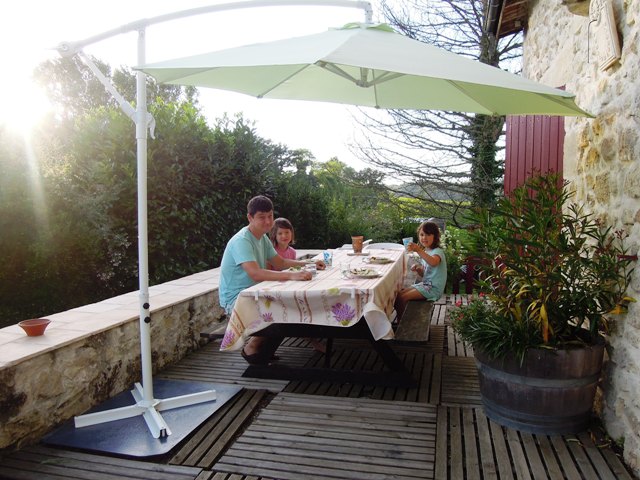
eating al fresco

One of our first meals here had to be poulet a l’estragon. I made it for the first time without following the notes I made all those years ago on my now tatty and grease-spattered scrap of paper, and was rather pleased with myself for remembering what to do. But then it is pretty easy. And it tasted all the better for being eaten outside as the sun was starting to set after an arduous day soaking up the French sunshine.

poulet a l'estragon

Poulet a l’estragon

50g butter, softened
large bunch of tarragon, roughly chopped
salt and pepper
1 medium chicken
1 tsp plain flour
150ml double cream

Preheat the oven to 220°C/Gas Mark 7.

Take two-thirds of the butter and using a fork gently mash in around half of the chopped tarragon, and give it a good seasoning with salt and pepper. Stuff most of this inside the chicken and rub the rest onto the skin on the breasts and legs.

Place the chicken on its side in a large ovenproof casserole and cover with the lid. Roast in the oven for about an hour and a half, turning onto the other side half way through and basting with the herby, buttery juices. The aroma at this stage will be quite incredible and I defy your stomach not to start growling. When the chicken is tender and the juices run clear, remove from the oven, and keep warm on the carving board while you make the sauce.

Work the flour into the remaining butter and, over a low heat, stir this into the juices in the casserole, along with the rest of the chopped tarragon. Then stir in the cream and bring to a very gentle simmer.

Carve the chicken and pour over the tarragon sauce. I like to serve with steamed rice and a vegetable such as green beans. French beans, naturellement. Bon appetit!

Cooking-with-Herbs

As the star of this dish is undoubtedly the tarragon, I’m entering it into August’s Cooking with Herbs challenge, hosted by the wonderful Karen at Lavender & Lovage, who I’ve just discovered is only ‘just down the road’ here in France!

Rhubarb and elderflower fool

Rhubarb Fool Collage

Could there possibly be two more quintessentially English ingredients than rhubarb and elderflower, I wonder? (Now that I’ve written it, even the word quintessentially looks quintessentially English.) For me, these two flavours perfectly conjure up an English summertime and they come together so beautifully in that oh so English of desserts, the anything but foolish fool.

My daughters and I picked bags full of elderflowers from the fields at the back of our house a few weeks back and we had a go at making ourselves elderflower cordial for the first time. I can’t believe I’ve never made it before. It’s the most deliciously refreshing of drinks, especially when mixed with sparkling water, which we took to calling elderflower fizz.

To use up the last of the cordial I whisked it into double cream and the end result was so incredibly fragrant and divinely delicious I could have eaten the whole lot straight from the bowl just as it was. But instead I combined it with a rhubarb puree to create the most heavenly fool imaginable. Yes, this pudding is most definitely an English summer in a glass.


Rhubarb and elderflower fool

Serves 8 to 10

700g rhubarb
juice of 1 orange
80g caster sugar
300ml double cream
4 tbsp elderflower cordial

Chop the rhubarb into 1 inch chunks and place in a saucepan with the orange juice and caster sugar. Place over a low heat and bring the rhubarb to a gentle simmer.

Cook the rhubarb slowly and stir occasionally until the rhubarb is tender and beginning to fall apart. Remove from the heat before it’s completely turned to mush, and leave to cool before placing in the fridge.

Put the double cream and elderflower cordial in a large bowl and whisk until it forms soft peaks. Taste, and whisk in a little more cordial if you think it needs it.

Spoon a little of the chilled rhubarb puree into glasses or bowls, followed by some of the elderflower cream. Continue layering until each glass or bowl is full. Serve as it is or perhaps with a little shortbread biscuit on the side.

rhubarb and elderflower fool

As this is such as superb summer pudding, I’m entering it into August’s Four Season’s Food event hosted by Delicieux and Chez Foti, for which the theme this month is Summer Puds.

fsf-summer1

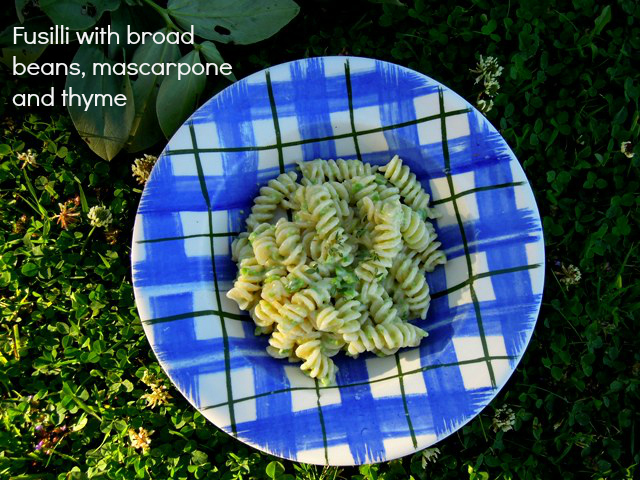
Fusilli with broad beans, mascarpone and thyme


We’re getting a steady crop of broad beans from our veg patch at the moment, along with peas, sugar snaps and courgettes. The cucumbers don’t look far off from picking either; it’s the first year we’ve tried growing them from seed and they’re proving much easier than I thought they would. Those are famous last words of course. They’ll probably develop some nasty disease now I’ve said that and get completely wiped out. Let’s hope not.

The children are really enjoying all the homegrown vegetables. When they’ve been involved in the sowing and the planting, they seem so much more up for the eating too. They’re loving the broad beans in salads, particularly potato salads with big chunks of sausage, and in soups. As they’re both big pasta fans, it was only a matter of time before I tried broad beans in a pasta sauce. I mashed some up with mascarpone cheese, thyme and lemon juice to coat fusilli and the girls gobbled it up greedily. My husband Jason was rather keen too and even ate the leftover cheesy-beany mash cold from the fridge! Note to self: try it as a sandwich filling next time…

fusilli with broad beans

Fusilli with broad beans, mascarpone and thyme

Serves 4

1kg broad beans, podded
250g mascarpone cheese
juice of half a lemon
handful of fresh thyme, picked
salt and pepper
olive oil
500g dried fusilli

Quickly boil the broad beans in salted water for two to three minutes until just tender. Run under cold water to stop them cooking further and to cool them down a little before double-podding. Yes, it’s a bit of a faff but it’s well worth it. Then mash the beans roughly, using either a fork or a potato masher.

In a bowl, mix the mashed beans with the mascarpone, lemon juice, most of the thyme, a good amount of salt and pepper and a drizzle of olive oil.

Cook the fusilli in a large pan of salted water according to the packet instructions. Drain and mix with the broad bean and mascarpone mixture. Add a little olive oil if it seems a little too dry or thick.

Serve with a little more thyme sprinkled on top. Summer on a plate – delicious.

fusilli with broad beans

And as this dish features lovely fresh thyme, I’m entering it into this month’s Cooking with Herbs event hosted by Karen over at Lavender & Lovage.

Cooking-with-Herbs

Cherry crumble muffins

cherry crumble muffins

We often make apple crumble muffins in our house. They’re a lovely cross between a cake and a pudding and popular with children and grown ups alike. The other day I thought I’d see what they were like using cherries instead of apples. I was inspired by my friend Sarah who baked us the most gorgeous cherry crumble when we went over to hers recently. I thought the apple crumble muffins were good, but boy! These cherry bad boys are to die for – I’m totally addicted!

cherry crumble muffins

Cherry crumble muffins

Makes 12

For the topping:

50g butter
50g Demerara sugar
30g plain flour
50g rolled oats

For the muffins:

275g plain flour
2 tsp baking powder
150g caster sugar
150g melted butter
2 eggs, lightly beaten
4 tbsp honey

48 cherries, pitted

Preheat oven to 190°C (375°F) Gas 5.

To make the topping, cut the butter into small pieces and put in a mixing bowl with the Demerara sugar, flour and oats. Work them together using your finger tips until it looks like crumble mixture.

For the cake mixture, sieve the flour and baking powder into a mixing bowl and mix in the sugar. Make a well in the middle, pour in the melted butter, beaten eggs and honey and mix gently.

cherry crumble muffis

Spoon the mixture into paper muffin cases in a 12-hole muffin tray. Place four cherries on top of each muffin and then carefully sprinkle over the crumble topping.

Bake for 25 to 30 minutes until golden brown. Just perfect for a mid afternoon snack.

cherry crumble muffins

As these scrummy muffins contain oats and honey, and cherries are almost berries (yes, I know they can’t be a berry because they have a stone rather than seeds), I’m entering them into this month’s Recipes for Life challenge. And since I’m hosting it, I’m going to allow cherries in as a wannabe-berry. So there. Sticklers for the rules can swap their cherries for blueberries or blackberries I suppose.

wpid-swallow-recipes-for-life.jpeg

Random recipe: bacon kebabs

bacon kebabs

This was a truly random recipe choice. I counted along my cook books, from left to right, until I reached the magic number 30. The title I landed upon was a tiny little book crammed in between a couple of heavy weights, The Silver Spoon and How to be a Domestic Goddess.  My random book was GoodFood: 101 Cheap Eats; not the most exciting or inspiring perhaps of all the books on my shelf, but there you go. That’s the point I guess when it comes to picking a random recipe.

The next direction was to turn to page 30, which I dutifully did. And the recipe in question was for Bacon Kebabs on Mushroom Rice. Not bad, I thought, although my daughter Jessie won’t be thrilled. The face she pulls if you suggest she eats a mushroom couldn’t be worse if you’d suggested she eat something you’d discovered on the bottom of your shoe.

So why the random recipe choice? Many of you will no doubt already be familiar with Dom at Belleau Kitchen’s Random Recipe challenge, which this month celebrates the big three-oh.

randomrecipes2

I thought it was about time I entered a dish. I’ve meaning to so for about the last year. All too often I’ve got as far as selecting my random recipe and then completely forgetting to make it before I realise the deadline has already been and gone. The story of my life really! But this month I’ve done it. Only just mind – July’s challenge closes in just over an hour. If I type quickly, I think I’ll just make it!

While the Bacon Kebabs might not have been the classiest or most challenging of dishes, they did give us a good plate of decent grub which went down very well with all the family – with certain members avoiding coming into close proximity with anything remotely resembling a fungus, obviously. It’s not a recipe I’d necessarily have picked out myself to make, but it’s a simple one I can see myself doing time and time again, and one I might possibly prepare the night before for a lazy Sunday brunch when we’ve got people staying the weekend.

bacon kebabs

Bacon kebabs

Serves 4

2 medium leeks, washed, trimmed and each cut into 4
4 flat mushrooms (I used 3 flat mushrooms and half an aubergine)
14 rashers rindless streaky bacon, halved (I used 8 rashers smoked back bacon, cut into strips)
4 herby sausages, halved vertically and then again horizontally
300g long grain rice
50g melted butter
1 tsp dried thyme
squeeze of lemon juice
200ml creme fraiche

Blanch the leeks in boiling water for 4 minutes.

Finely chop one of the mushrooms and the stems of the others and keep to one side to add to the rice later. (As my oldest despises mushrooms, I chopped up half an aubergine instead.)

Cut the remaining mushrooms into quarters.

Stretch out the bacon with the back of a knife and wrap around each piece of leek, mushroom and sausage. Carefully thread onto skewers. I made sure, of course, that a few of the skewers were free of the “evil” mushroom.

Cook the rice according to the packet instructions.

Melt half the butter with half the dried thyme and lemon juice, and then brush over the kebabs. Grill under a high heat for around 15 to 20 minutes, turning regularly until cooked.

Melt the rest of the butter in a pan and cooked the chopped mushroom (or in my case, chopped aubergine) with the remaining thyme until softened. Add the creme fraiche, season and stir well.

Drain the rice and stir into the sauce.

Stir the kebab pan juices into the rice and serve immediately.

bacon kebabs

And as this is such a cheap and cheerful dish, I’m also entering these yummy Bacon Kebabs into July’s Credit Crunch Munch from Fuss Free Flavours and Fab Food 4 All, which is being brilliantly hosted this month by Sian at Fishfingers For Tea.

Credit-Crunch-Munch-Just-Pic

Baking bread with the kids

bread

Why is it that as soon as the school holidays start, the rain comes? Hopefully today’s downpour was just a temporary blimp but it’s always good to have some rainy day activities up your sleeve, just in case.

My children always love a bit of baking. I usually love it too, although I do have to be in just the right mood to cope with the mess that generally ensues. We try not to stick to ‘kiddy’ things like fairy cakes and smiley faced pizzas and I find bread making is a perfect activity for children. There’s the magic in waiting for the dough to rise and the fun of fashioning the bread rolls into just about any shape imaginable from plaits and hearts to hedgehogs, butterflies and caterpillars.

Bread Collage

This is what we ended up doing when my friend Sarah came over for the day with her children Jack and Molly. Not only is it such good fun to make, you then get to tuck into the wonderfully warm bread for your tea, spread thickly with lots of butter and jam. Children always really enjoy eating food they have made themselves, don’t they?

Bread Collage2

Easy bread rolls

Makes enough to feed four hungry children

400g strong white bread flour
1 tsp salt
7g sachet fast action dried yeast
250ml luke warm water
1 tbsp olive oil
Seeds, nuts and dried fruit for decoration
Oil for greasing

Put the flour, salt and dried yeast in a mixing bowl and combine well.

Make a well in the mixture and pour in the water and olive oil. Gradually work the flour into the oil and water to make a soft dough. If the mixture is dry, add a little more water. If it is sticky, add a little more flour.

Sprinkle a little flour onto your work surface. Knead the dough for five to ten minutes by stretching it away from you and then pulling it back into a ball. Keep going until the dough feels elastic and smooth.

Return the dough to the mixing bowl and cover with cling film or a clean tea towel. Leave in a warm place for around an hour until the dough has roughly doubled in size.

Preheat the oven to 200°C/Gas Mark 6.

Punch the dough to release the air and divide the dough between your children, and let the creativity begin. My daughter Jessie likes to make little hedgehogs using scissors to clip the spikes and pistachio nuts for eyes. Mia has a thing for caterpillars, placing lots of little balls of dough in a line. It helps to brush the bread with a little oil to keep seeds and nuts in place. Put their creations on a baking tray greased with a little oil.

Bake in the oven for 10 to 15 minutes, depending on size, until they are golden brown. Allow to cool a little on a wire rack before devouring with butter and jam. Delicious!

bread

bread

What do you like to bake with your children?

kids-in-the-kitchen-banner