Egyptian dukkah spice mix

Dukkah with bread oil and vinegar

I discovered the delights of dukkah not so long ago at a great little pop-up restaurant in Frome called The High Pavement Evening Cafe, which I was rather excited to see will re-open later this year. Also written duqqa or dukka, this spicy Egyptian side dish consists of nuts, seeds, herbs and spices, toasted and then crushed up together to create something so simple and yet so incredibly delicious. I’m amazed I haven’t come across it before.

It was served to us at the start of our meal at The High Pavement as an accompaniment to bread alongside oil and vinegar. I was instantly hooked. When I tried making it myself at the weekend, I served it the same way. Homemade bread dipped in oil, then vinegar and then dukkah is just so, so good.

bread with dukkah

Admittedly I made it a little too spicy for the children and they weren’t impressed at all. Next time I’ll go a little easier on the paprika and perhaps they’ll get into it too. It is perfect finger food after all. But my husband and I got well and truly stuck in.

I found a hundred and one different ways to make dukkah on the internet; it seems to be the kind of dish you can play around with – lots. According to Wikipedia it’s typically made with hazelnuts but I didn’t happen to have any of those, so I went with almonds and walnuts. But you could use pistachio or just about any other type of nut you fancy really.

dukkah

Similarly there are a hundred and one different ways to use dukkah. Sprinkle it onto salads and soups, over hummus and soured cream, use it as a crust for fish or a rub for meat, or as a topping for flat breads. I took some to work in my packed lunch the other day, bringing to life an otherwise boring cheese roll. It is very versatile.

Dukkah

40g chopped almonds
40g walnut pieces
2 tbsp sunflower seeds
1 tsp fennel seeds
1 tbsp cumin seeds
1 tbsp white mustard seeds
3 tbsp coriander seeds
1½ tbsp sesame seeds
1 tsp caraway seeds
½ tsp sea salt
1 tsp paprika (you may wish to adjust if serving to children)

Dry fry the almonds, walnuts and sunflower seeds in a hot frying pan until they just begin to turn a darker, golden colour. Remove from the heat and allow to cool.

In the same pan, toast the fennel seeds for half a minute, then add the cumin seeds and toast for a further 30 seconds. Pour these into a bowl, separate from the nuts and sunflower seeds.

Next add the mustard and coriander seeds to the pan and toast for a minute or so, before tipping into another bowl.

Reduce the heat a little and toast the sesame and caraway seeds until the sesame starts to change colour. Place in yet another bowl.

Crush the fennel and cumin seeds in a pestle and mortar, before placing in an electric grinder along with the almonds, walnuts and sunflower seeds. Give them a quick whizz until you achieve a rough crumb texture and then pour into a bowl.

Lightly crush the mustard and coriander seeds in the pestle and mortar and add these to the dukkah bowl, followed by the sesame and caraway. Season with the salt and paprika (go easy if you have kids) and mix well.

There it is – you’re done. So, how will you eat yours?

I served mine in my gorgeous Brabantia dip servers, part of the fantastic prize I won last year at the MAD Blog Awards.

dukkah

If you liked this, you might also like…

Haricot bean and garlic dip
dips
Spicy Indian-style dips
Middle Eastern chicken salad with hummus dressing

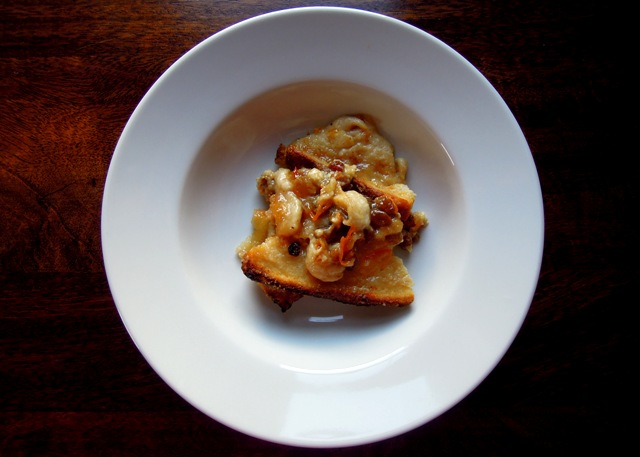
Spiced orange bread and butter pudding

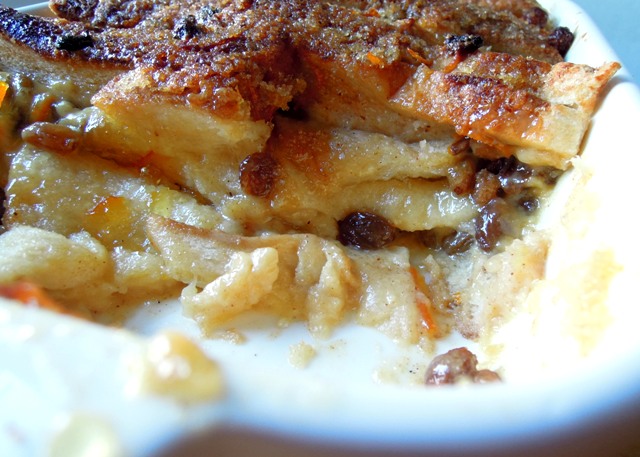
Here’s my slightly seasonal take on the humble but very delicious bread and butter pudding. What could be a more festive combination than oranges and spices? The orange in this pud comes in the form of marmalade and zest, while the spices are ginger, cinnamon and mixed spice.

I wish I could share with you fond memories of eating this as a child but, to be honest, the first time I ate bread and butter pudding was only a few years ago when I tried Nigella Lawson’s ginger-jam version from her Nigella Bites cookery book. It was a pudding that never really appealed to me when I was younger. It sounds, well, a bit boring really. I mean, bread? In a pudding? And butter. Who’s going to get excited about that?

But oh! Now I’ve tried it, I can safely say it is delicious and now one of my favourites. Crunchy and slightly chewy on top, soft and gooey underneath. It might not have been one of my nursery food memories, but it will be one of my children’s. Plus it’s so simple to make and comes with its own ready-made custard. What’s not to like?

This recipe is loosely based on the one in Nigella Bites.

Spiced orange bread and butter pudding

75g butter
75g sultanas
3 tbsp apple juice
1 tsp ground ginger
10 slices thick white bread
half a jar of orange marmalade
4 egg yolks
1 egg
5 tbsp demerara sugar
1 tsp mixed spice
500ml double cream
200ml milk
1 tsp ground cinnamon
2 tbsp runny honey

Preheat the oven to 190°C/gas mark 5.

Grease a medium-sized pudding dish with some of the butter.

Put the sultanas in a small bowl and mix with the apple juice and ginger. Pop in the microwave and heat on medium power for a minute and then leave to stand. This is Nigella’s trick for plumping up the sultanas. She uses rum but I didn’t think the kids would be too keen on that.

Make up sandwiches with the white bread, spreading the butter and marmalade generously. Cut in quarters into triangles and then arrange in your dish, some pointing up and some pointing downwards. Sprinkle over the sultanas and pour over any remaining gingery apple juice.

Lightly whisk the egg yolks and egg in small bowl and mix in 3 tablespoons of the demerara sugar and mixed spice. Then add the cream and milk and combine. Pour over the marmalade sandwiches and leave for 10 minutes or so to give the custard a chance to soak into the bread.

Dot some butter onto the visible bread. Mix the ground cinnamon with 2 tablespoons of demerara sugar and sprinkle over the top. Finally drizzle the honey over the top too.

Place the dish on a baking tray and cook in the oven for around half an hour until the custard has set and the crusts poking out are browned and caramelised. Leave for 10 minutes before serving. It will be agony waiting that long as it smells so good!

Spicy duck broth with Savoy cabbage and noodles

While duck isn’t the cheapest meat around, I’d happily eat meat-free for a few days to justify including it on my weekly meal plan. A deliciously succulent meat, it works wonderfully with strong, spicy flavours.

This broth is inspired by a Riverford recipe and features star anise, Chinese five spice, ginger and garlic, as well as that favourite of the veg box at this time of year, the Savoy cabbage. It is the perfect winter warmer, especially when you serve it with a little chilli sauce on the side.

I think the spicy broth would go very well with a glass of Isla Negra Merlot, a soft, easy drinking red wine I was lucky enough to sample the other night during #BoothsCheers,a special festive wine and beer tasting on Twitter organised by the British supermarket Booths. There will be more tastings on Wednesday nights between now and Christmas – maybe you’d like to take part next time? But anyway, enough about the drink and back to the food…

Spicy duck broth with  Savoy cabbage and noodles

Serves 4

2 duck breasts
2 tsp Chinese five spice
1 tbsp vegetable oil
dash sesame oil
3 cloves of garlic, peeled and crushed
3cm fresh ginger, peeled and grated
half a Savoy cabbage, finely shredded
2 litres hot chicken stock
2 star anise
150g dried egg noodles
chilli and soy sauces to serve

Preheat the oven to 200ºC / gas mark 6.

Score the duck skin and rub in the five spice. Place the duck breasts on a rack in a roasting tin and roast in the oven for 15 to 20 minutes. Remove from the oven and leave to rest somewhere warm.

In a large saucepan heat the vegetable and sesame oils and fry the garlic and ginger for a minute before adding the Savoy cabbage. Stir fry for a couple of minutes and then add the  hot stock and star anise.

Bring to a simmer and gently cook the cabbage for a couple of minutes. Then add the noodles and cook for around three more minutes until the noodles are just soft.

Pour the broth into bowls, using tongs to serve the noodles and cabbage. Slice the duck breast and place on top. Serve with some soy and chilli sauces on the side. And enjoy!

Spicy Indian-style dips

We love dips in our house. Whether they’re shop-bought or homemade, we always have a supply of dippy things in pots in our fridge – hummus, babaganoush, taramasalata, tzatsiki – perfect with a few breadsticks or carrot chunks for an impromptu snack when the children are peckish.

And we’re rather keen on our Indian food too. I reckon our girls developed a taste for Asian spices when they were in the womb. I craved curries during both pregnancies and in the final weeks, in particular, I consumed a vast quantity of particularly hot curries in a vain attempt to bring  on labour.

So when Warburtons recently got in touch to see if I’d like to test out some recipes created by TV chef Monisha Bharadwaj for a range of Indian-style dips to complement their new baked naan chips, I thought why the heck not?

As well as directing me to Monisha’s selections of recipes on Facebook, Warburtons kindly sent me some packets of their baked naan chips in ‘classic tikka’ and ‘fiery hot’ flavours to try with them.

I decided to test out two of the dip recipes. The two that appealed most were the manuka tamater ki chutney, made with tomatoes, raisins and spices, and a mint and sunflower seed chutney.

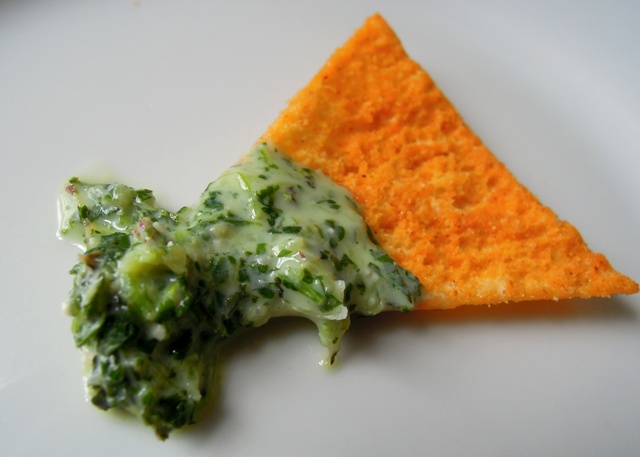
I found the mint and sunflower seed chutney a little too flavoursome, verging on pungent. So I mixed in some Greek yoghurt which calmed it down perfectly and made for a very tasty, creamy and refreshing dip. As well as mint, it contains lots of coriander, which I think always work so well together. The recipe also calls for a couple of chillies, but since I was trying this out on the kids I only used one so it wasn’t too hot for them.

The manuka tamater ki chutney was very good, although a tad on the sweet side. It features raisins, so I probably wouldn’t bother with the sugar as well next time. This was the dip the children liked best, although my husband and I preferred the mint and sunflower seed one.

While we rather liked the dips, I have to admit the baked naan chips weren’t really our cup of chai. Our eldest, Miss Mash didn’t think they were spicy enough but Miss Bangers, the four-year-old refused to eat them because they were too spicy. My husband and I could take them or leave them really. I also took a couple of packs into work to share with colleagues, and the response was similar – although during the course of a day they did all get eaten, so they can’t have been that bad!

Have you tried any of the Warburton dip recipes? If so, what did you think? And what do you reckon to the baked naan chips? How do you think they compare to their pitta chips?

Disclosure: I was provided with four complimentary packets of Warburton baked naan chips for the purposes of this review.